




A strong flight attendant packing list is not about stuffing a suitcase with “just in case” items. Cabin crew need a repeatable system that keeps them ready for work, comfortable on layovers, and organized enough to move fast between trips without forgetting something important.
The smartest packing lists focus on categories, not clutter. You want work items that keep your duty day smooth, layover basics that help you recover, and travel tools that reduce friction instead of adding weight. If you are still building your overall gear setup, start with our guide to flight attendant essentials, then layer in travel accessories flight attendants actually use, best travel tech for flight attendants, best luggage for flight attendants, luggage tags that help cabin crew, best shoes for flight attendants, and best compression socks for flight attendants as you tighten the system around this checklist.
What Makes a Good Flight Attendant Packing List?
A useful cabin crew packing list does four jobs well. First, it protects work readiness, things like documents, chargers, grooming basics, and bag organization. Second, it supports recovery, because sleep, hydration, and comfort matter more than most new crew expect. Third, it keeps weight and bulk under control. Finally, it makes repeat packing easier, so you are not rebuilding your setup from scratch every time.
The best approach is to pack by role:
- work items for duty-day reliability
- layover items for rest and downtime
- toiletries and skincare for cabin-air recovery and presentation
- tech and charging gear for practical travel flow
- food and hydration tools for consistency on the road
Work Items Every Cabin Crew Packing List Should Cover
Your work layer should make the operational side of the job easier, not more complicated. The goal is to avoid small mistakes that create stress on report days, turnarounds, or long multi-sector trips.
- Crew luggage or roller bag that fits your routine. Durability and smart compartments matter more than trendy design.
- ID, passport, and document organizer. Keep duty-critical documents in one dedicated place so they are never buried inside the bag.
- Small in-flight essentials pouch. Lip balm, pen, stain stick, mints, hand cream, and any small daily-use items should be easy to reach.
- Compression socks or support basics. For many crew, these belong in the work category, not the comfort category, because they affect how the day feels.
- Backup uniform support items. Hair ties, lint roller sheets, clear polish, or other appearance-saving basics can prevent avoidable problems.
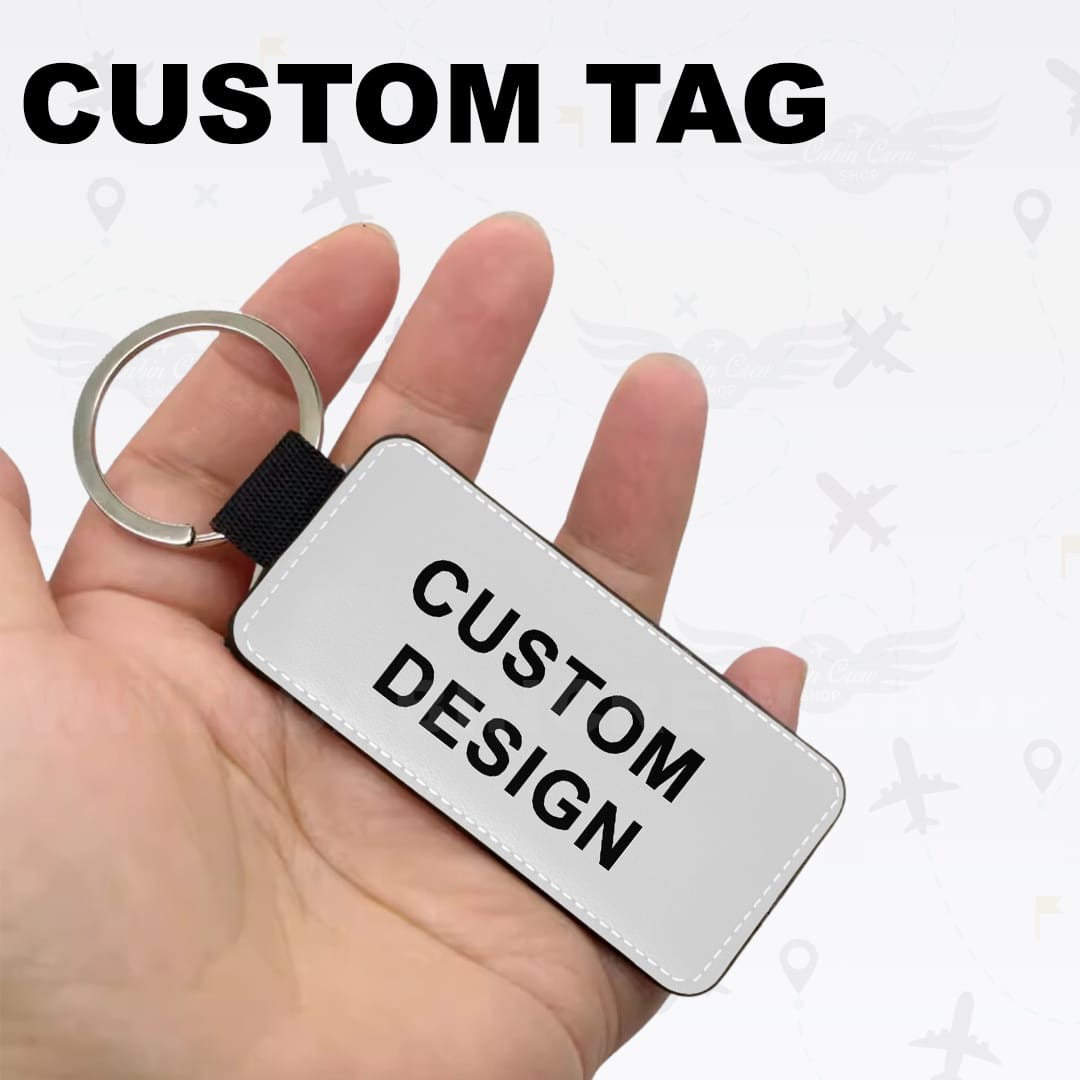
One overlooked part of a packing list is bag identification. If your crew luggage, tote, or layover bag looks like everyone else’s, a clear personalized tag can reduce mix-ups and make recovery easier. That is one reason luggage organization remains one of the most practical gift and gear categories for crew life. If that angle is relevant for your setup, our best gifts for flight attendants guide covers the broader gift and utility side, while Aircrewtags has a focused collection of crew luggage tags for readers specifically looking for identification-oriented options.
Layover Essentials That Actually Earn Their Space
Layover packing should support recovery, not fantasy travel. Most crew do not need to pack for every possible scenario. They need a few reliable items that help them rest, reset, and leave the hotel without chaos.
- Sleep support. Eye mask, earplugs, or a compact white-noise solution can be worth more than bulky comfort gear.
- Lightweight off-duty outfit. Bring something comfortable enough for errands, meals, or a quick walk without overpacking fashion extras.
- Slides or easy shoes. Helpful for hotel use and recovery after time on your feet.
- Compact laundry or separation pouch. Makes it easier to keep worn items away from clean uniforms and toiletries.
- Personal downtime kit. A Kindle, journal, simple skincare mask, or one small comfort item is usually enough.
The best layover section in a flight attendant packing list is realistic. You do not need to carry your whole home routine. You need the few things that help you feel human again after a demanding trip.
Toiletries and Skincare for Dry Cabins and Long Days
Cabin air, early reports, late arrivals, and changing hotel environments make personal care one of the highest-value parts of a packing list. The trick is to go compact and repeatable instead of carrying oversized products.
- Travel-size skincare basics. Cleanser, moisturizer, SPF, lip balm, and a gentle hydration product usually cover the essentials.
- Toothbrush, toothpaste, deodorant, and grooming basics. Keep these permanently stocked if possible so they are never forgotten.
- Hair-control and appearance items. Depending on airline standards, that might include pins, bands, or a small brush.
- Sanitizer and wipes. Useful without taking much room.
- Mini medicine pouch. A small personal kit for headaches, digestion, or other common travel annoyances can save a trip.
If your toiletries pouch keeps getting overloaded, simplify by frequency of use. Daily essentials stay. Rare-use items get cut unless the trip length clearly justifies them.
Tech and Charging Gear That Prevents Travel Friction
Technology becomes a problem when it is disorganized. Most crew do not need more devices. They need a clean system for keeping the important ones powered and easy to find.
- Portable charger. One dependable battery pack solves more travel stress than multiple backup gadgets.
- Cable organizer. Prevents tangled cords and wasted time.
- Universal adapter if your routes require it. Especially important for crews with varied layover destinations.
- Phone stand or compact work surface helper. Optional, but useful if you rely on your phone heavily during travel downtime.
- Dedicated tech pouch. Keeps chargers, plugs, and small electronics from floating loose through the bag.
A good rule is simple. If a tech item saves time often, keep it. If it is only useful in a rare edge case, it probably should not live in the regular rotation.
Food and Hydration Items Worth Packing
Food and hydration tools are often the difference between a manageable trip and an expensive, low-energy one. These do not need to be elaborate. They just need to support consistency.
- Reusable water bottle. Hydration is one of the easiest wins in any crew routine.
- Compact meal container. Helps if you prep food or carry snacks between sectors.
- Snack pouch. Useful for nuts, bars, or quick backup food that travels well.
- Simple cutlery or utensil set. Optional, but convenient for longer trips.
- Electrolyte packets or drink support. Lightweight and helpful on demanding schedules.
Over time, the best flight attendant packing list usually gets smaller here, not larger. Most people learn that one reliable bottle, one container, and a simple snack system beat carrying an entire pantry.
How to Keep the List Repeatable Instead of Repacking From Scratch
The most efficient packing systems rely on permanent kits. Build one pouch for toiletries, one for tech, one for work-critical items, one for food, and one for layover comfort. When those categories live in the bag by default, you reduce both forgotten items and decision fatigue.
This also makes pre-trip checks faster. Instead of thinking through every object one by one, you can review your packing by category and trip length. That is how many useful travel systems stay consistent instead of collapsing after a week.
If food is the weak point in your routine, build a simple container-and-snack system from the best meal prep gear for flight attendants. If dry skin, hotel air, or long duty days are the problem, use the best skincare products for flight attendants guide to keep that pouch tighter instead of guessing every trip.
How Your Packing List Changes by Trip Type
A one-night turn, a long international pairing, and a training trip should not use the same packing logic. Keep the base kit stable, then adjust only the outer layer.
- Short domestic trips: prioritize work documents, uniform backups, charging, hydration, and one recovery item so the bag stays light.
- Long-haul layovers: add sleep support, skincare, a realistic off-duty outfit, and route-specific adapters without turning the suitcase into a full closet.
- Training or reserve periods: use the flight attendant training packing list as a separate checklist because classroom, hotel, and uniform-prep needs are different from regular line flying.
- City-heavy layovers: pair the checklist with practical guides like Tokyo layover ideas or Singapore layover planning so you pack for the actual plan, not every possible plan.
The rule is to change the trip layer, not rebuild the whole bag. That keeps the list practical while still adapting to route length, climate, hotel setup, and energy level.
Packing Mistakes Flight Attendants Should Avoid
- Overpacking clothes for imagined scenarios. Pack for your actual layover habits, not your idealized version of them.
- Carrying duplicate items without a clear reason. Two versions of the same low-value tool add bulk fast.
- Ignoring bag organization. Pouches and small systems matter more than buying more stuff.
- Forgetting recovery items. Sleep and comfort tools may not look exciting, but they often deliver the biggest practical value.
- Letting souvenirs, extras, and “maybe” items take over. Weight creeps in quietly.
Flight Attendant Packing List FAQ
What should every flight attendant pack for work?
Every flight attendant should pack work documents, uniform support items, hygiene basics, charging gear, hydration support, recovery items, and a reliable bag-organization system. The exact items vary by airline and route, but those categories are the backbone of a practical crew packing list.
How many outfits should a flight attendant pack for a layover?
For most standard layovers, one comfortable off-duty outfit plus the required work clothing is enough. Longer pairings, unusual weather, or planned activities may justify one extra layer, but packing for imagined scenarios is where most bags get too heavy.
What is the most overlooked item on a cabin crew packing list?
Bag organization is often overlooked. Document holders, pouches, cable organizers, laundry separation, and clear luggage identification can prevent more stress than bigger, more expensive travel items.
Should flight attendants tag every work bag?
Yes, any bag that regularly moves through airports, hotels, crew transport, or shared storage should be easy to identify. A clear tag on the roller bag, tote, lunch bag, or tech pouch supports the same system explained in smart ways cabin crew keep track of their bags.
How do flight attendants avoid overpacking?
They build a repeatable base kit, pack by category, and keep only the items that solve real recurring problems. A good packing list gets tighter over time, not longer, because every item has to earn its place on real duty days.
Final Packing List Takeaway
The best flight attendant packing list is practical, disciplined, and easy to repeat. If an item improves work flow, comfort, organization, or recovery often enough to earn its place, keep it. If it adds bulk without doing much, cut it.
For the broader gear setup around this checklist, continue with Flight Attendant Essentials. If you are shopping for useful crew-friendly ideas instead of building your own bag, see Best Gifts for Flight Attendants. For layover safety and recovery support, pair this checklist with hotel safety tips for cabin crew and jet lag management for flight attendants. And if luggage identification is the immediate problem you want to solve, a restrained product-adjacent next step is exploring dedicated crew luggage tags.