




A Hong Kong layover can be one of the easiest crew stops to use well because the city gives you options without forcing you into a full tourist marathon. Whether you have a short turnaround, one free half-day, or a proper overnight, Hong Kong works best when you build the stop around one realistic zone, one clear mood, and enough buffer to get back to HKG without stress.
For flight attendants, Hong Kong is especially useful because it can flex in different directions. You can keep the layover practical with one waterfront walk and a meal, turn it into a skyline-and-food reset, or make it a low-friction shopping and recovery stop. The key is not trying to cover Kowloon, Central, the Peak, and every market in one stretch.
What to Do With a Short Hong Kong Layover: 4 to 8 Free Hours
If your free time is limited, stay disciplined. Hong Kong rewards tight planning because transport is good, but the city can still eat time if you bounce between districts.
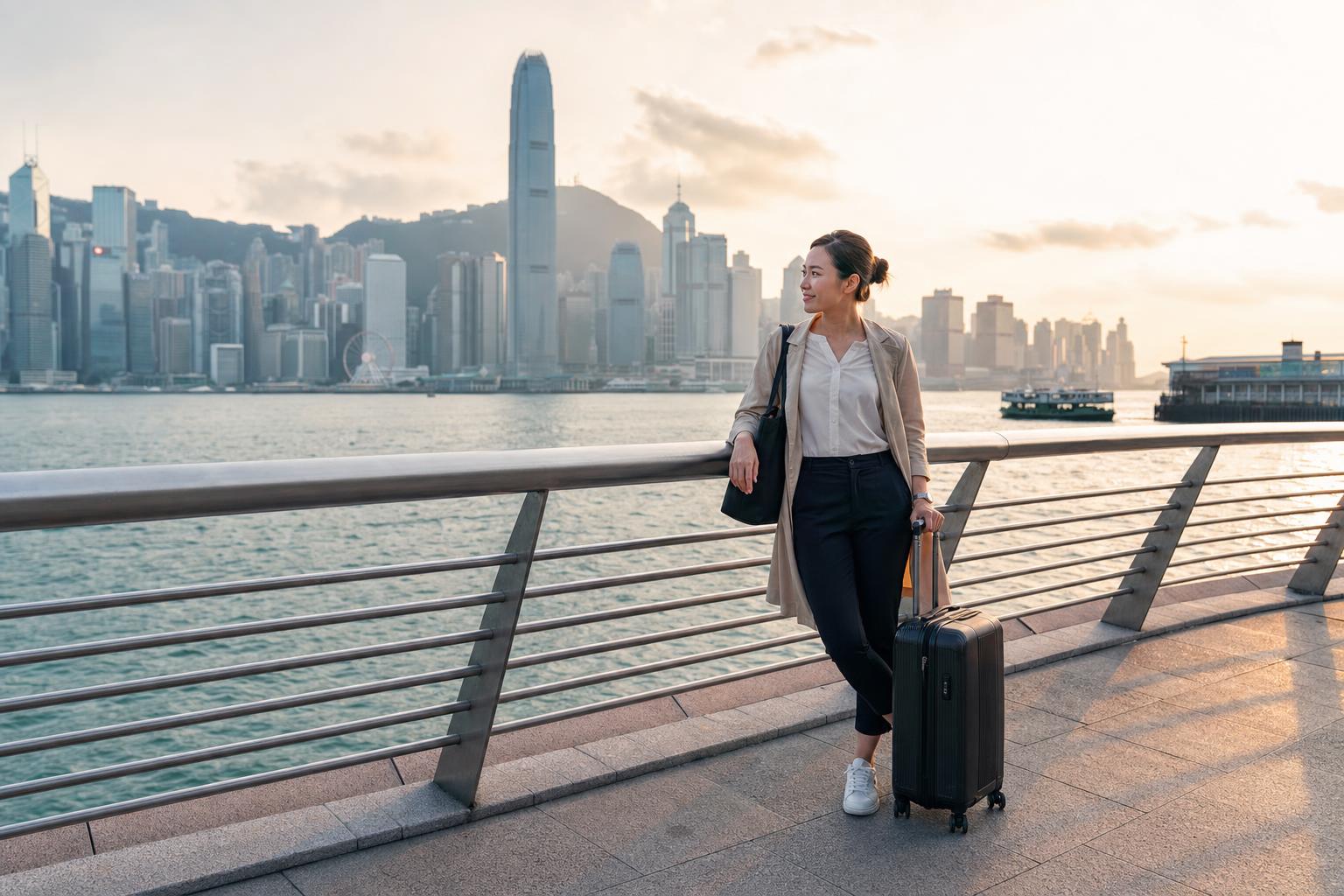
Tsim Sha Tsui waterfront walk is the easiest high-reward move if you want skyline views without complicated logistics. Walk the promenade, stop around the Avenue of Stars, grab coffee, and let the harbor do the heavy lifting. It gives you a real Hong Kong feel without burning your whole layover on lines or transfers.
Central escalator zone and Soho works well when you want one compact neighborhood with food, people-watching, and enough movement to feel like you actually got into the city. Ride up through Mid-Levels, choose one cafe or noodle stop, and keep the rest of the plan simple.
Airport-adjacent reset is the better choice if your body is done. AsiaWorld-Expo, Tung Chung, or a hotel-area meal can be smarter than forcing a full city run when fatigue is the real story. A layover does not fail just because it stayed calm.
Best Hong Kong Layover Plans for 8 to 12 Free Hours
This is the sweet spot. You have enough time for one district, one strong meal, and one memorable layer without turning the day into a transit exercise.
Central + Star Ferry + Tsim Sha Tsui is the classic crew-friendly route. Take the Airport Express into Hong Kong Station, walk Central, ride the Star Ferry, and finish with harbor views on the Kowloon side. It feels iconic without being difficult, and the transport path is clean.
The Peak only if visibility is good and your energy is there. If the weather is clear, the Peak gives you the postcard Hong Kong moment. If it is foggy, humid, or heavily queued, skip it and stay lower in the city. Crew stops improve when you stop chasing the theoretical best option.
Mong Kok for energy and snack-driven wandering can work if you want a more crowded, street-level version of Hong Kong. It is better for experienced solo travelers or crews who enjoy noise, movement, and casual food exploration. If you want a calmer reset, Central or Tsim Sha Tsui will be easier.
Full Hong Kong Layover: 12 to 24 Hours
When you have a proper overnight, Hong Kong becomes much more than a skyline stop. The best long layovers usually split into two blocks: one recovery block and one exploration block. That rhythm protects your energy and lets the city feel memorable instead of rushed.
Victoria Harbour at sunset is worth timing right. It gives you the best visual payoff without much planning. Pair it with a relaxed dinner instead of stacking too many attractions back to back.
Central, Sheung Wan, and a proper meal is often the strongest full-layover choice because it combines walkability, coffee, food, and small-shop browsing without demanding a rigid itinerary. It suits crew who want the city to feel lively but still manageable.
One practical shopping block also makes sense in Hong Kong. If you need skincare, compact travel gear, chargers, or comfort-first staples for the next sequence, the city is good for a focused restock rather than random browsing.
Hong Kong Logistics Every Flight Attendant Should Know
Airport Express is the simplest move. From HKG to Hong Kong Station takes about 24 minutes, and Kowloon Station is even closer. If your hotel shuttle or crew bus drops you near the airport, this is usually the cleanest city-entry path.
Use an Octopus card or digital transit option. Hong Kong transport is easier when you are not buying single tickets every time you change modes. MTR, ferries, convenience-store purchases, and quick day movement all become smoother.
Humidity changes the day. Hong Kong can feel much more draining than it looks on a map, especially after long-haul duty. If the weather is hot, reduce the neighborhood count and build in indoor cooling breaks.
Leave a real return buffer. If you are heading back from Central or Kowloon for report, build in at least 90 minutes door-to-terminal. The MTR is efficient, but transfer time, elevator waits, weather, and hotel regrouping still add friction.
Bag strategy matters. Do not drag a crew roller through steep streets, packed MTR passages, and market lanes unless you have to. If you are between hotel blocks, use hotel storage first and keep the city move light.
Where to Stay in Hong Kong on a Crew Layover
If your hotel is on Hong Kong Island, Central gives you the easiest access to a polished, walkable layover. If you are based in Kowloon, Tsim Sha Tsui is the most practical all-rounder for waterfront access, food, and simple movement.
Airport-area hotels make sense when the stop is short, recovery is the priority, or report time is early. There is no prize for forcing a cross-city plan when a low-stress layover would serve you better.
Common Hong Kong Layover Mistakes Cabin Crew Make
Trying to fit too many districts into one stop. Hong Kong looks compact, but vertical movement, station transfers, and crowd density can slow everything down. One or two zones is enough for most crew windows.
Forcing the Peak in bad conditions. If visibility is weak or the queue is ugly, pivot. The harbor, ferry, and neighborhood streets can deliver a better layover with less friction.
Ignoring recovery needs after long-haul duty. The city is exciting, but not every stop should become a mission. Food, hydration, a shower, and one thoughtful outing often beat a twelve-point checklist.
Quick-Reference Hong Kong Crew Summary
| Layover Length | Best Area | Top Pick | Return Plan |
|---|---|---|---|
| 4 to 6 hours | Tsim Sha Tsui or Central | Waterfront walk + one meal | Airport Express with 90-minute buffer |
| 6 to 10 hours | Central + Kowloon | Star Ferry + skyline route | MTR or Express back to HKG |
| 12 to 24 hours | Hong Kong Island or Kowloon base | Harbor sunset + one neighborhood block | Hotel regroup + Express/MTR |
A Hong Kong layover does not need to be hyper-productive to be worth it. The city is strongest when you let it do one job well: reset you, feed you, show you the harbor, or give you one memorable block of movement before the next sector.
For more crew trip planning, see the flight attendant packing list, hotel safety guide for cabin crew, jet lag management tips, and the layover guides for Dubai, London, and Rome.