




Cabin crew keep track of their bags by using simple systems that work under pressure: clear identification, repeatable packing roles, easy-to-spot markers, and fast recovery details when a bag gets separated. The point is not to make luggage look clever. The point is to make the right bag easy to recognize, easy to organize, and harder to lose during a work routine built around constant movement.
That matters because flight attendants handle luggage in airports, crew rooms, hotel lobbies, shuttles, and layovers where many bags look almost identical. A weak system creates small delays over and over again. A good system removes friction every trip. If you are building a broader crew setup, this page pairs well with our guides to flight attendant essentials, a repeatable flight attendant packing list, best luggage for flight attendants, travel accessories flight attendants actually use, and the best luggage tags for flight attendants.
Why bag tracking matters more for cabin crew than for most travelers
Most casual travelers only need to manage a suitcase for one trip. Cabin crew repeat the same luggage handoff points constantly. Bags get stacked together, moved quickly, and handled when the owner is tired, rushed, or carrying more than one item. On top of that, many crew bags are black, practical, and similar-looking by design.
That means the best bag-tracking habit is usually not a high-tech trick. It is a reliable system for recognition, access, and recovery. Flight attendants who know where each item belongs and how each bag is marked waste less time and make fewer mistakes during transitions.
1. Use an identification system that works at a glance
The fastest way to keep track of a crew bag is to make it instantly recognizable. A durable luggage tag, a restrained personalized marker, or a visible handle wrap can all do that job if they stay readable and securely attached. The best setup is one that still works after repeated airport, shuttle, and hotel handling.
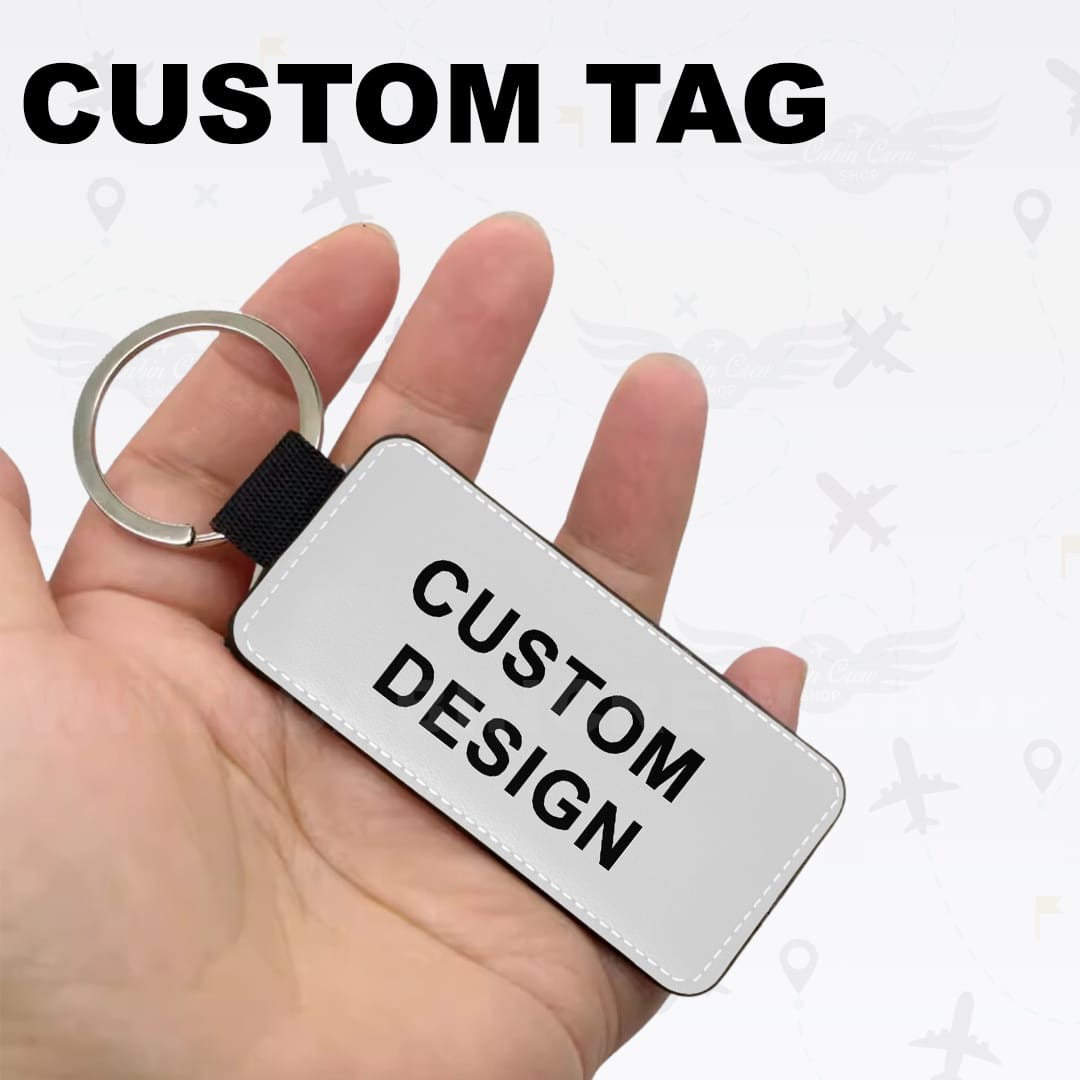
A good identification system should do three things at once: help the owner spot the bag quickly, reduce mix-ups when several bags are together, and give the bag a recovery point if it gets separated. That is why many crew members prefer strong, readable tags instead of decorative accessories that add style without solving anything. For a deeper breakdown, see our guide to the best luggage tags for flight attendants and our explanation of why flight attendants use personalized luggage tags.
2. Give every bag a fixed role on every trip
One of the smartest crew habits is keeping the same role for the same bag every trip. For example, the roller bag may always hold uniforms and shoes, the tote may always carry documents and tech, and the smaller pouch may always hold toiletries or rest items. When those roles stay fixed, a flight attendant does not need to mentally rebuild the whole system before every departure.
This matters because bag confusion often starts before the trip even begins. When the same items move between different bags each week, it becomes easier to leave something behind or assume it is in the wrong compartment. Fixed roles make pre-trip checks faster and reduce stress when time is tight.
3. Use packing cubes and compartments to create a repeatable layout
Keeping track of a bag is not only about the outside. It is also about knowing where things are once the bag is open. Packing cubes, zip pouches, and dedicated compartments stop a crew bag from turning into one mixed pile. That makes it easier to find uniforms, chargers, paperwork, snacks, and layover items without unpacking everything in a hurry.
A repeatable layout also helps with re-packing after hotel stays. Instead of guessing what is missing, a flight attendant can quickly see which cube or pouch is out of place. This is one reason organized crew systems overlap so naturally with a strong flight attendant packing list and better travel accessories for cabin crew.
4. Separate work-critical items from layover extras
Not every item deserves the same access priority. Work-critical items should stay in the fastest, most predictable location every time: passport, ID, crew documents, chargers, medication, pens, and anything needed before or immediately after sign-in. Layover extras can live deeper in the bag because they are not needed at the same pace.
This separation keeps the whole luggage system calmer. A crew member should not have to dig through clothes or souvenirs just to find a document sleeve or charging cable. Strong flight attendant essentials setups are usually less about carrying more and more about putting the right things in the right place.
5. Add one recovery-friendly detail without oversharing
Crew luggage should be easy to return if it gets separated, but that does not mean exposing unnecessary personal information. The smarter middle ground is a recovery-friendly tag or insert that provides enough contact detail to help the right person reconnect with the bag while still keeping privacy in mind.
For readers who specifically want crew-style identification options, Aircrewtags crew luggage tags fit that use case naturally because the page intent here is directly about bag identification and recovery, not a forced product detour. The key rule is still the same: visible recognition first, recovery help second, decoration third.
6. Make similar-looking bags easier to spot in shared spaces
Because so many crew bags are dark and practical, a bag often needs one extra recognition cue beyond the main tag. That can be a clean handle wrap, a distinctive zipper pull, a subtle color accent, or a baggage marker that remains professional. The goal is not to make the bag loud. It is to make it obvious to the owner from a short distance.
This is especially useful in hotel storage areas, crew rooms, shuttle loading, and any place where multiple bags are placed together quickly. A small visual difference can save time every single trip.
7. Use a fast exit check before leaving any handoff point
Even the best tag will not help if a bag is left behind in a rush. A simple exit routine reduces that risk: check the roller, the tote, the side pocket, the charger, and the document sleeve before leaving a gate area, hotel room, shuttle, or crew room. The strongest habit is the one repeated when tired, not the one that sounds ideal on paper.
Many crew mistakes happen at transition points rather than in the middle of the flight. A five-second check catches the most common misses before they become bigger problems.
8. Keep a digital backup of key bag information
Some flight attendants also keep a quick phone note or photo record of what matters most: a photo of the bag, a photo of the tag, and a reminder of what is packed where. That is useful if a bag is moved, delayed, or confused with another similar setup. It does not replace visible identification, but it gives the owner a faster way to describe the bag accurately when needed.
High-tech trackers can help some crew, but they work best as a supplement rather than the entire system. If the bag is hard to recognize physically, technology does not solve the first problem. Clear identification and repeatable organization still do most of the work.
Build a whole-bag identification system, not just one tag
The strongest crew setup usually combines a few simple layers. The roller bag needs a durable visible tag, the tote or personal item needs its own recognition cue, and smaller pouches should have fixed roles so chargers, documents, food, toiletries, and recovery items do not move around randomly. That is why bag tracking connects naturally with a practical travel tech setup, a realistic meal-prep system, and a disciplined packing routine.
For gift shoppers, this also explains why bag-identification products can be useful when they are chosen with restraint. A personalized tag is not the whole system, but it can be the most visible part of one. That makes it a more practical choice than novelty gifts when the recipient actually works out of a crew bag.
The best crew bag system is simple enough to repeat
The smartest way cabin crew keep track of their bags is not by adding endless accessories. It is by using a repeatable system: a recognizable tag, fixed bag roles, organized compartments, fast-access essentials, one recovery-friendly detail, and a short exit check at every handoff point. The simpler the system is to repeat, the more useful it becomes during real work travel.
If you are building a broader bag-and-gear setup, start with identification and organization first. Those two habits create the biggest improvement fastest, and they support almost every other part of a flight attendant travel routine. For the gift side of the same problem, continue with useful gifts for flight attendants; for the product-specific side, compare why personalized luggage tags help crew.
Cabin Crew Bag Tracking FAQ
Do flight attendants use trackers like AirTags to keep track of bags?
Some do, especially for extra reassurance on commutes and layovers, but a tracker works best as a supplement. Cabin crew still need visible identification and a repeatable packing system because most bag mix-ups happen before a tracker becomes useful.
What information should go on a crew luggage tag?
Enough to help the bag get returned, but not so much that it creates a privacy issue. A name, a limited contact method, and clear visual recognition are usually more useful than oversharing personal details.
What is the simplest way to stop crew bags from getting mixed up?
Use a durable readable tag, keep one clean visual marker on the bag, and avoid changing the role of each bag every trip. Most confusion drops once the same system is repeated consistently.
Should every crew bag have its own tag?
Usually, yes. The roller bag, tote, and regular personal item can each become separated at different points, so each one should have a clear recognition or recovery cue. Smaller pouches do not always need external tags, but they should have fixed roles inside the bag.
Are personalized luggage tags a good gift for cabin crew?
They can be, as long as the tag is durable, readable, and useful for real travel. The best crew gifts solve repeated problems, and bag recognition is one of the few problems flight attendants meet almost every trip.