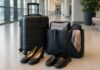





The best luggage for flight attendants is not just about style or brand recognition. It is about whether a bag can survive constant airport movement, fit real crew routines, stay organized under pressure, and still feel manageable at the end of a long duty day. A good crew bag saves time, reduces friction, and makes repeat trips feel more controlled.
That matters because cabin crew do not use luggage the same way occasional travelers do. Flight attendants move between airports, crew rooms, shuttles, hotels, and short layovers while opening and closing their bags constantly. A suitcase that looks fine on paper can become frustrating fast if the wheels drag, the handle wobbles, the compartments fight your packing system, or the bag becomes too heavy once your work essentials are inside.
This guide focuses on what actually makes luggage work for cabin crew life. If you are building a full setup, pair this with our guides to flight attendant essentials, a repeatable flight attendant packing list, travel accessories flight attendants actually use, best travel tech for flight attendants, best compression socks for flight attendants, the best luggage tags for flight attendants, and smart ways cabin crew keep track of their bags.
What flight attendants actually need from luggage
The best luggage for flight attendants usually does five things well:
- Moves smoothly through terminals, crew corridors, hotel lobbies, and uneven surfaces.
- Protects a repeatable packing system instead of turning every trip into a full repack.
- Balances capacity with weight so the bag does not become exhausting before the day is over.
- Holds up under frequent use with reliable wheels, zippers, handles, and shell or fabric quality.
- Stays easy to identify when many crew bags look nearly identical in shared spaces.
If a bag fails one of those tests, the inconvenience keeps repeating. That is why the best choice is usually the one that supports your system, not the one that looks the most premium in product photos.
Best luggage setup for most flight attendants
For many cabin crew, the most practical setup is not one giant bag. It is a small system:
- A reliable carry-on roller for uniforms, layover clothes, shoes, toiletries, and core work items.
- A personal item or tote for fast-access essentials like documents, chargers, snacks, and anything you may need before reaching the hotel.
- A simple organization layer such as pouches, packing cubes, or compartment logic that keeps items in consistent places.
This works better than relying on one overstuffed suitcase. It also makes it easier to separate work items from layover items, which reduces rummaging during fast transitions.
Carry-on luggage is usually the smartest starting point
The best luggage for flight attendants is often a carry-on-size roller because it matches the reality of frequent short-to-medium trips. A carry-on is easier to control, easier to store, and less likely to create unnecessary drag in a work routine built around constant movement.
Look for a size that gives enough room for uniforms, sleepwear, backup items, and toiletries without encouraging overpacking. A bag that is slightly smaller but better organized often performs better than a larger one that turns chaotic after the first day.
Wheel quality matters more than many people expect
Wheels decide whether luggage feels manageable or irritating. Cabin crew roll bags through airports, sidewalks, hotel entrances, shuttle loading points, and staff routes where poor wheel performance becomes obvious quickly.
Good wheels should track predictably, stay quiet enough for indoor spaces, and keep the bag stable instead of tipping every time the pace changes. Spinner wheels can feel effortless on smooth surfaces, while sturdier two-wheel setups sometimes handle rougher ground and repeated abuse better. The right choice depends on how and where the bag will be used most.
Weight is not a small detail
A heavy bag becomes a worse bag as soon as you add real crew gear. Uniform pieces, shoes, toiletries, chargers, documents, water bottles, and comfort items add up quickly. The best luggage for flight attendants starts light enough that the packed bag still feels reasonable by the end of a long trip.
That does not mean choosing the flimsiest option. It means avoiding unnecessary heaviness, especially when it comes from decorative materials or bulky structures that do not improve function.
Interior layout should support a repeatable packing system
The best luggage for flight attendants helps you pack the same way every trip. That means the interior should make it easy to separate categories like uniforms, casual clothes, underlayers, toiletries, chargers, and quick-grab work items.
Useful features can include:
- split compartments that keep outfits separated
- compression panels that hold clothing in place
- zip sections for small essentials
- enough structure that shoes or toiletry bags do not collapse into everything else
If the inside of the bag turns messy every time you open it, the bag is not helping your workflow.
Durability matters more than trend appeal
Flight attendants use luggage often enough that small weaknesses show up quickly. Weak telescoping handles, unreliable zippers, cracked corners, thin stitching, and low-quality wheels all become expensive once the bag is part of a frequent work routine.
The best luggage for flight attendants should feel dependable, not fragile. A durable mid-range bag that survives repeated use is usually a better value than a stylish bag that starts failing after a few months of constant movement.
Hard-shell vs soft-shell for cabin crew
There is no universal winner here. Hard-shell luggage can feel easier to wipe down and may protect structured items better. Soft-shell luggage can offer more exterior access, more flexibility, and sometimes easier organization for travelers who like quick pockets.
For flight attendants, the better choice is the one that matches packing style and route reality. If your routine rewards quick-access pockets and adaptability, soft-shell may be more practical. If you value cleaner structure and a protective outer shell, hard-shell may fit better. The key is not the label. It is how well the bag supports real crew use.
The handle and balance should feel stable under pressure
A bag that sways, tips, or drags awkwardly can become surprisingly annoying during a real workday. The handle should extend and retract cleanly, feel stable in the hand, and keep the bag balanced when packed. If a suitcase constantly feels like it wants to lean, twist, or fight direction changes, it becomes a daily irritation instead of a tool.
Do not overlook bag identification and recovery details
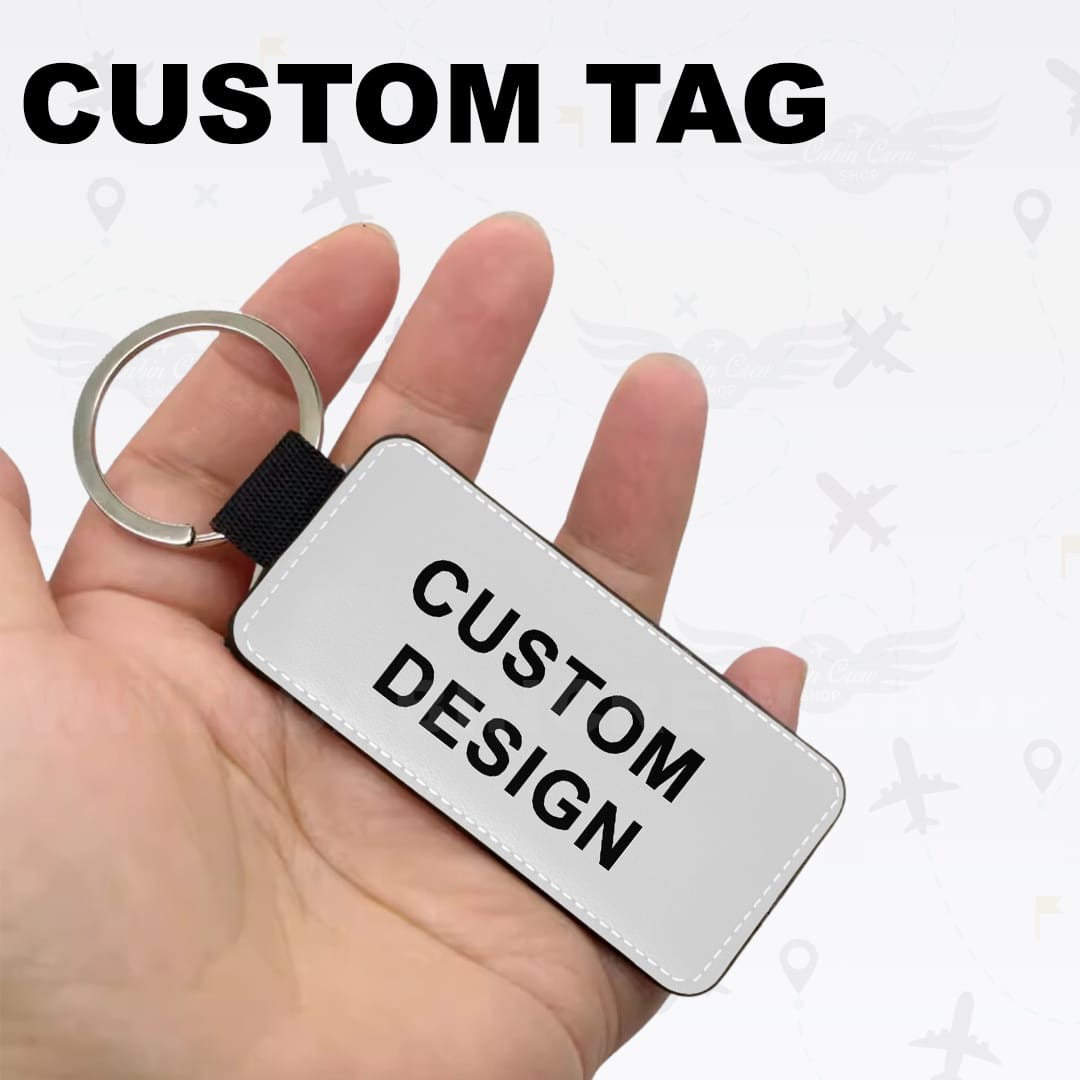
The best luggage for flight attendants should also be easy to recognize in shared crew spaces. Many bags look similar, especially in black or other neutral colors. Clear identification saves time and reduces mix-ups.
That is where a strong tag and identification system matters. Our guide to the best luggage tags for flight attendants explains what to look for, and our breakdown of why flight attendants use personalized luggage tags covers the practical reasons personalization helps. If you want a product-focused next step, a curated set of crew luggage tags on Aircrewtags can make bag identification and recovery support much easier without changing your entire luggage setup.
What makes luggage a good gift for a flight attendant
Luggage can be a strong gift, but only when the person actually needs it. Good luggage solves a repeated problem, so it works best when you know the crew member’s current setup is worn out, poorly organized, too heavy, or missing a useful secondary piece like a tote or compact roller.
If you want a broader idea set before committing to luggage, our guide to the best gifts for flight attendants covers practical, comfort-focused, and personalized options that fit crew life well.
Common luggage mistakes flight attendants should avoid
- Choosing style over function. A beautiful bag that rolls badly or packs poorly becomes annoying fast.
- Buying too large. Bigger is not always better when the real problem is lack of organization.
- Ignoring weight. A heavy empty bag almost always becomes a frustrating full bag.
- Skipping identification. Similar-looking bags create avoidable mix-ups in crew environments.
- Overcomplicating the system. Too many compartments, extras, or loose pouches can create more friction instead of less.
Luggage for flight attendants FAQ
What size luggage works best for flight attendants?
Most flight attendants need a dependable carry-on roller that fits their airline and route rules, plus a smaller personal item for items they reach for during duty days. The best size is not always the largest bag; it is the size that stays organized, moves easily, and does not become too heavy when fully packed. For setup details, compare this with the broader flight attendant packing list.
Should flight attendants choose hard-shell or soft-shell luggage?
Hard-shell luggage can be easier to wipe down and can protect structured items well, while soft-shell luggage often gives faster pocket access and a little more flexibility. Cabin crew should choose based on their actual route pattern, packing style, and need for exterior access rather than assuming one material is always better.
What luggage features matter most for cabin crew?
Smooth wheels, a stable telescoping handle, reasonable empty weight, durable zippers, and a practical internal layout matter more than decorative details. Flight attendants also benefit from clear bag identification, especially when crew bags look similar in shared spaces. The guide to smart ways cabin crew keep track of their bags covers that system in more detail.
Are luggage tags important for flight attendants?
Yes. Luggage tags help crew identify similar-looking bags quickly and add a recovery layer if a bag is misplaced during a commute, layover, or positioning trip. For a deeper buying guide, see the best luggage tags for flight attendants.
What should a new flight attendant buy first?
A new flight attendant should start with reliable luggage, practical packing organization, comfortable shoes, and simple recovery tools rather than buying every accessory at once. Once the luggage system is stable, support items like travel tech for flight attendants and compression socks for long duty days can make the setup more complete.
So, what is the best luggage for flight attendants?
The best luggage for flight attendants is usually the bag that feels stable, stays organized, rolls smoothly, and holds up trip after trip. In practice, that often means a dependable carry-on roller supported by a smaller personal item and a simple identification system.
If you are choosing luggage for yourself, prioritize movement, weight, layout, and durability over appearance alone. If you are choosing it as a gift, think about the real travel routine it needs to support. Crew life rewards reliability more than novelty.