





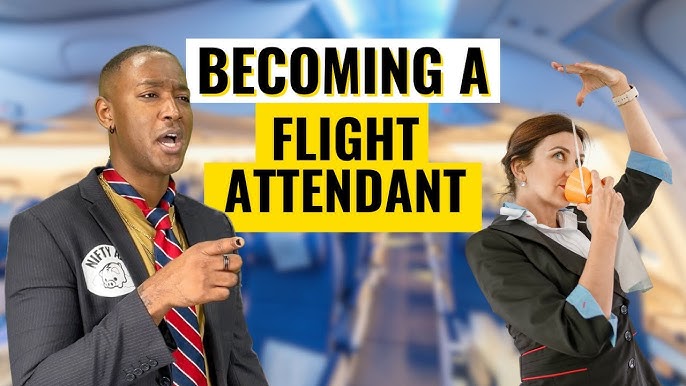
Becoming a flight attendant means committing to a career that blends customer service, safety responsibility, and a lifestyle built around travel. The path from application to boarding pass is more structured than most people realize, and knowing what each stage actually involves saves time and reduces guesswork.
This guide walks through every phase: what the job really requires, how the application process works, what airlines look for in interviews, how training runs, and what the first months on the job actually feel like.
What a Flight Attendant Actually Does
Before investing in the process, it helps to understand what the job actually entails day to day. Flight attendants are safety professionals first. Passenger service is visible, but emergency response, protocol compliance, and medical readiness are the core responsibilities airlines train for and evaluate.
- Conducting safety demonstrations and ensuring all passengers understand emergency equipment
- Managing in-flight service from boarding to deplaning
- Responding to medical situations, turbulence-related injuries, and security events
- Maintaining cabin cleanliness and functionality during flights
- Providing customer service for passengers with special needs, complaints, or accessibility requirements
The lifestyle is real: irregular hours, time zone shifts, nights away from home, and schedule unpredictability are constant. The travel benefit is genuine, but it comes wrapped in a work context that not everyone finds glamorous.
Step 1: Check the Basic Requirements
Every airline publishes minimum requirements. Most overlap significantly, but there are variations, especially for international carriers.
- Age: Typically 18 or 21 depending on the airline and country
- Education: High school diploma minimum; a college degree strengthens competitive applications
- Height: Some airlines have reach requirements for overhead bin access
- Language: English proficiency is universal; additional languages are a genuine advantage
- Customer service experience: Not always required, but consistently helps in interviews
- Medical: Must hold a valid medical clearance and pass a background check
Step 2: Build a Competitive Application
Airlines often have multiple hiring cycles per year. The competition per open position can be hundreds of applicants. A strong application package matters.
- Resume format: Clean, one-page, service-focused language
- Cover letter: Tailored per airline; generic applications show
- Online assessment: Many airlines use psychometric testing at this stage
- Video or in-person interview: First impression scoring is structured and deliberate
Step 3: Prepare for the Interview
Interview formats vary: one-on-one, panel, group assessment, role-play scenarios. Airlines test both soft skills and situational judgment. The most common evaluation criteria cover:
- Customer service orientation under pressure
- Teamwork and conflict resolution
- Situational decision-making
- Composure during staged scenarios
- Communication clarity and confidence without arrogance
Preparation resources worth using: flight attendant career guides, mock interview services, and airline-specific forums where current crew share recent interview formats. Generic interview prep that does not reference aviation context tends to score lower.
For a full list of questions airlines actually use, see our guide to flight attendant interview questions.
Step 4: Complete Airline Training
Once hired, every flight attendant completes a training program before working commercially. This is not optional orientation — it is a pass/fail certification.
- Duration: Typically 4 to 8 weeks depending on the airline
- Content: Safety protocols, emergency procedures, first aid, service standards, airline-specific equipment and systems
- Assessments: Written tests and practical drills; minimum passing scores apply
- Location: Often at airline headquarters or dedicated training centers
Training is intensive. Candidates who enter expecting light orientation tend to struggle. Those who prepare physically and mentally for a demanding program perform better.
Step 5: Type Rating and Line Training
After initial certification, flight attendants complete type rating for specific aircraft and then supervised line training. This phase involves:
- Emergency procedure drills specific to the aircraft type
- Service flow training for the specific cabin configuration
- Supervised flights with a training captain before solo operation
First Year Reality Check
The first year as a flight attendant is the steepest learning curve. Schedule patterns, reserve availability, and base assignments all fluctuate. Most airlines assign new hires to reserve status initially, which means less predictability in schedule but more exposure to different routes and scenarios.
- Reserve requirements mean being available on short notice
- Bidding for preferred schedules improves with seniority
- Seniority accumulates from day one; patience is part of the job
- Health and fitness standards are maintained continuously
Salary and Compensation
Flight attendant pay structures vary significantly by airline, base location, and seniority. Most airlines use a guaranteed minimum hours model with additional pay for flights exceeding that threshold.
- Starting pay: Typically in the range of $28,000–$45,000 annually depending on the carrier
- Top-out pay: Can reach $70,000–$110,000+ for senior crew at major carriers
- Per diem: Paid during overnight stays and training; separate from base salary
- Benefits: Health insurance, retirement matching, free or reduced travel benefits are standard
For specific figures at individual carriers, see our salary guides:
How to Turn This Guide Into a Real Cabin Crew Plan
The application path makes more sense when you move from broad research into the next practical stages. If you want to build a smarter prep sequence, continue with flight attendant interview questions, then use our flight attendant training packing list to understand what happens once you actually get hired.
It also helps to pressure-test the lifestyle side early. Read what the first year as a flight attendant really feels like, how crash pad life works for new crew, and how flight attendants manage jet lag so your plan reflects the real adjustment curve instead of only the interview stage.
If appearance policy is part of your decision, review whether you can be a flight attendant with tattoos before you target stricter carriers.
Frequently Asked Questions
How long does the hiring process take?
From initial application to job offer, the process typically takes 2 to 6 months. Some airlines hire faster during urgent staffing periods. Most major airlines have multi-stage processes including online assessment, video interview, and in-person interview days.
Can I apply to multiple airlines at the same time?
Yes, but check each airline’s policy before doing so. Some explicitly require exclusivity during the hiring process; others do not restrict simultaneous applications.
Do I need a college degree?
Not always. A high school diploma is the minimum for most airlines. However, a college degree — especially in hospitality, tourism, or communications — can meaningfully improve your competitiveness in the applicant pool.
Is previous customer service experience required?
Most airlines list it as preferred rather than required. However, interview performance tends to be stronger for candidates with documented service industry experience — especially in roles requiring conflict resolution, patience under pressure, or team coordination.
What happens if I fail training?
Most airlines allow one retest attempt for written or practical assessments. A second failure typically results in termination of the program. Preparation before training starts is strongly advisable, not optional.
Can I become a flight attendant with tattoos or piercings?
Policies vary by airline. Many carriers have moved toward allowing visible tattoos if they are not offensive or in unusual locations. Piercings beyond one small ear piercing are typically restricted during service hours. Check the specific airline’s appearance policy before applying.
Next Steps
If the career path makes sense for your situation, the best next step is a targeted application to one or two airlines rather than a broad scatter-shot approach. Research each airline’s culture, interview format, and route network before investing time in the application.